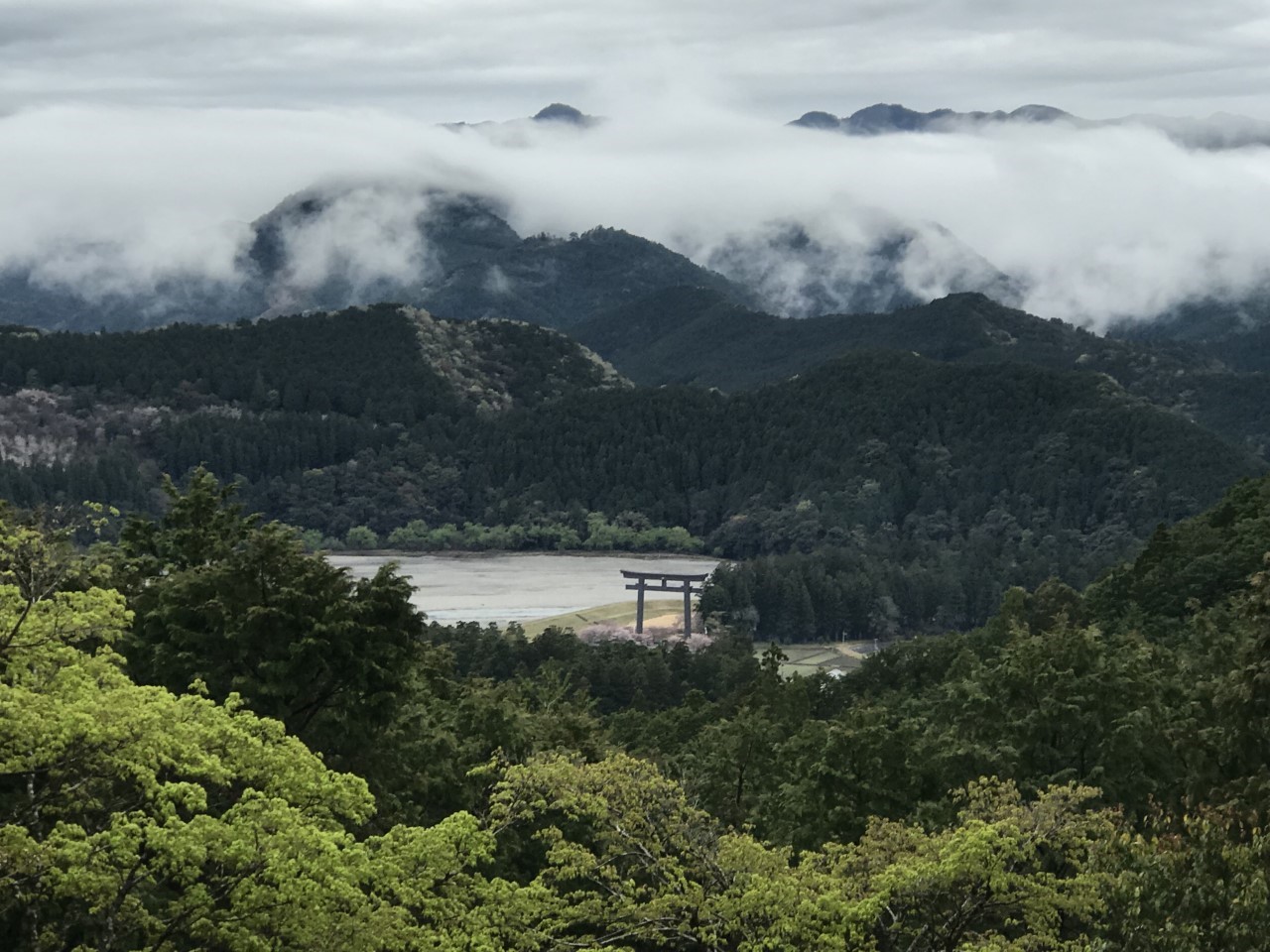
Hello, I am Alena. I fell in love with the Kii Peninsula, quit my life in Tokyo and moved out here in 2011. I have been promoting the Kii Peninsula through my guiding and travel writing for over 15 years now, and Kii Retreat is the next step.
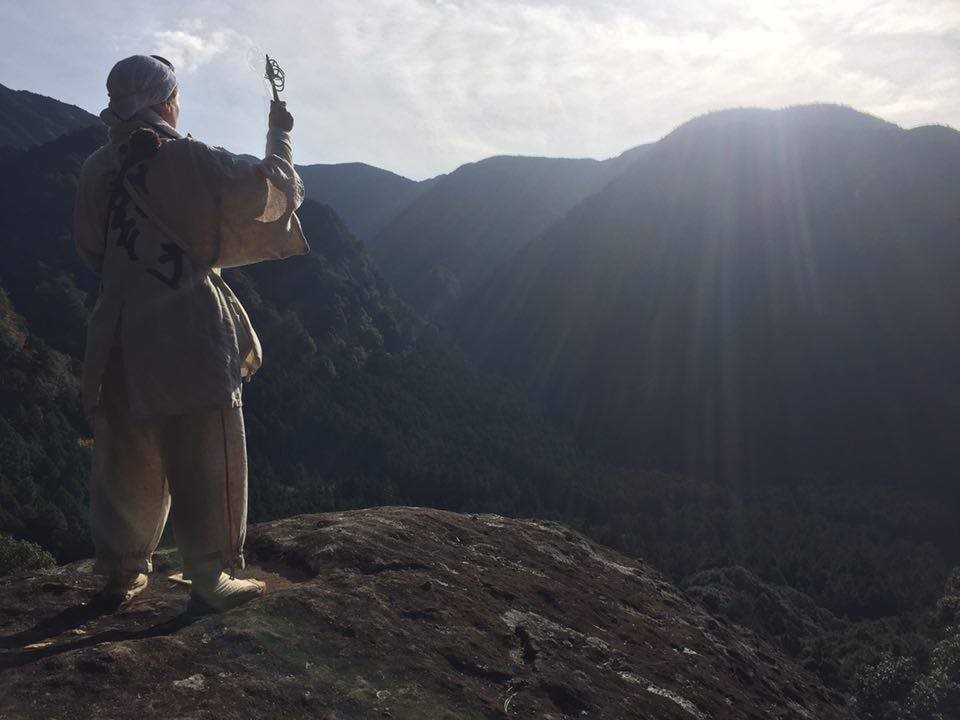
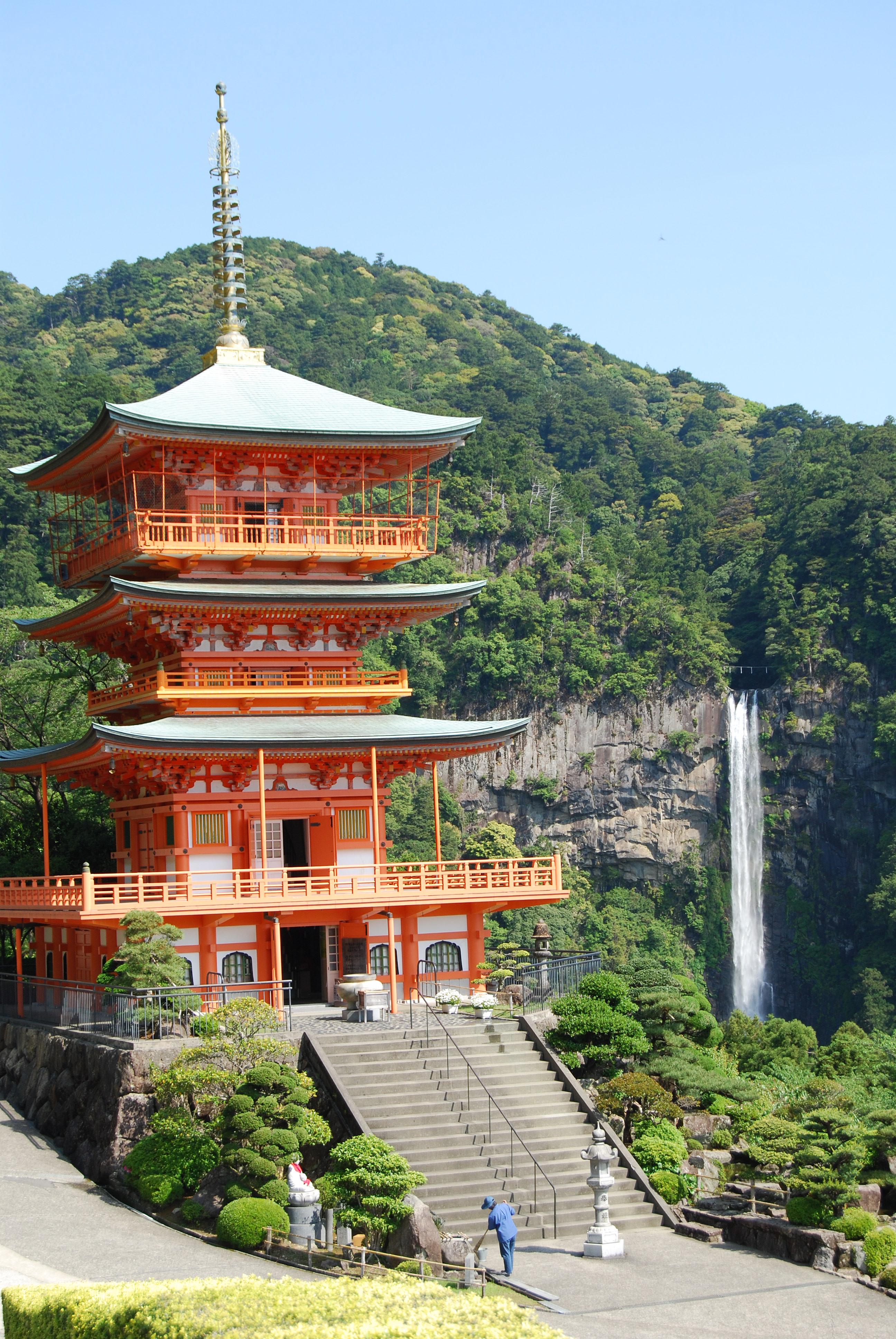
Kii Retreats is a transformational travel project in the mountains and forests, rivers and waterfalls, temples and shrines, villages and communities of the Kii Peninsula where the ancient Kumano Kodo pilgrimage trails connect the Buddhist monastery of Koyasan, the Shugendo center of Yoshinoyama and the Grand Shrines of Kumano.
*Kii refers to Kii no Kuni (紀伊国), or Kii Province, an old name now used for the Kii Peninsula.
Spirituality in Nature
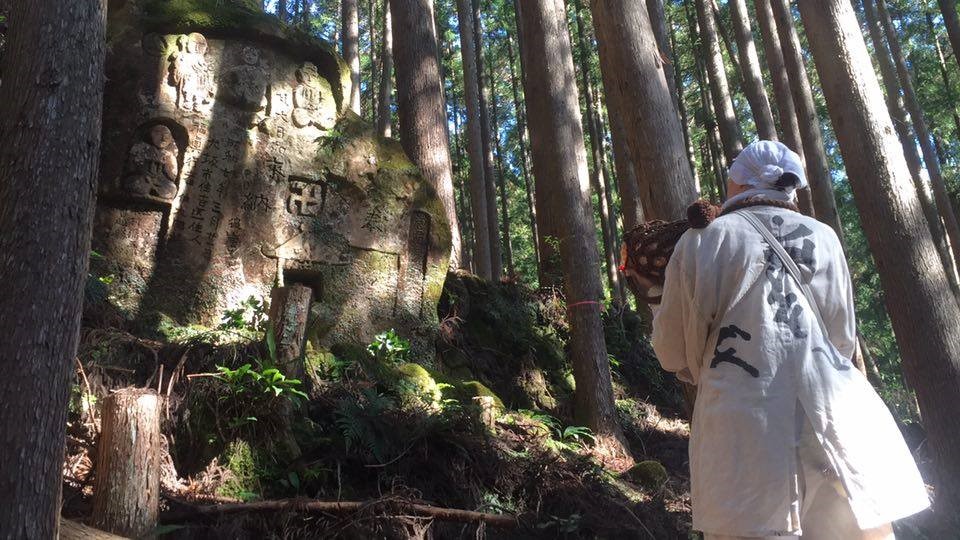
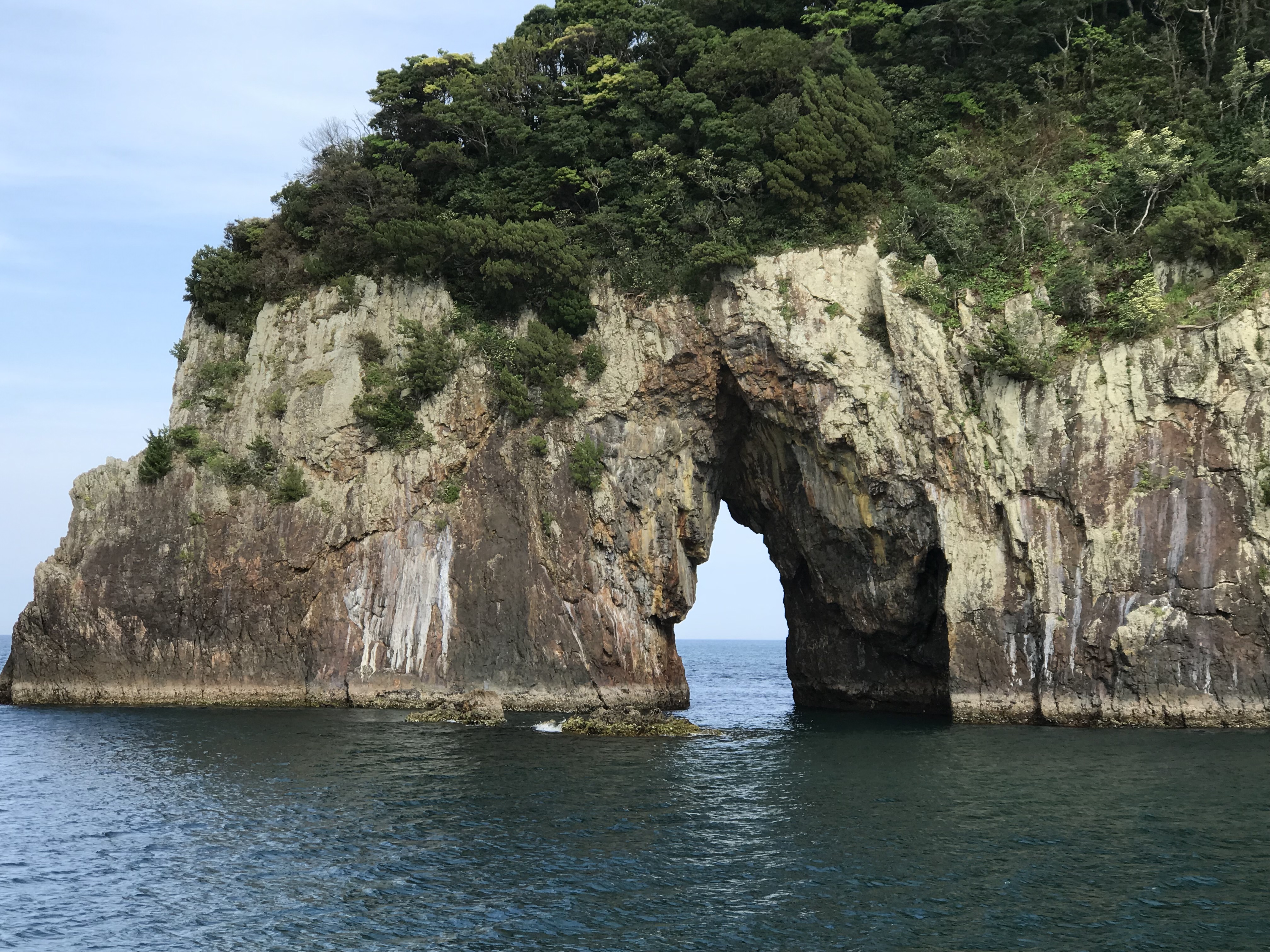
The Kii Peninsula is an ideal place for a journey in the realms of nature & spirit with its abundance of forest, mountains, rivers, waterfalls, a long coastline and many temples and shrines and places and spots that have been considered sacred since ancient times. This is where the elements (earth, water, fire, wind) are palatable. This is where the mind can relax for a while and let the soul find a way home.
The three sacred sites on this peninsula – Koyasan, Yoshinoyama and Kumano – the pilgrimage trails that connect them and the local communities that have formed there are the focal points for my activities that cultivate nature immersions and encourage spiritual exploration.
Retreats and J-Wellness
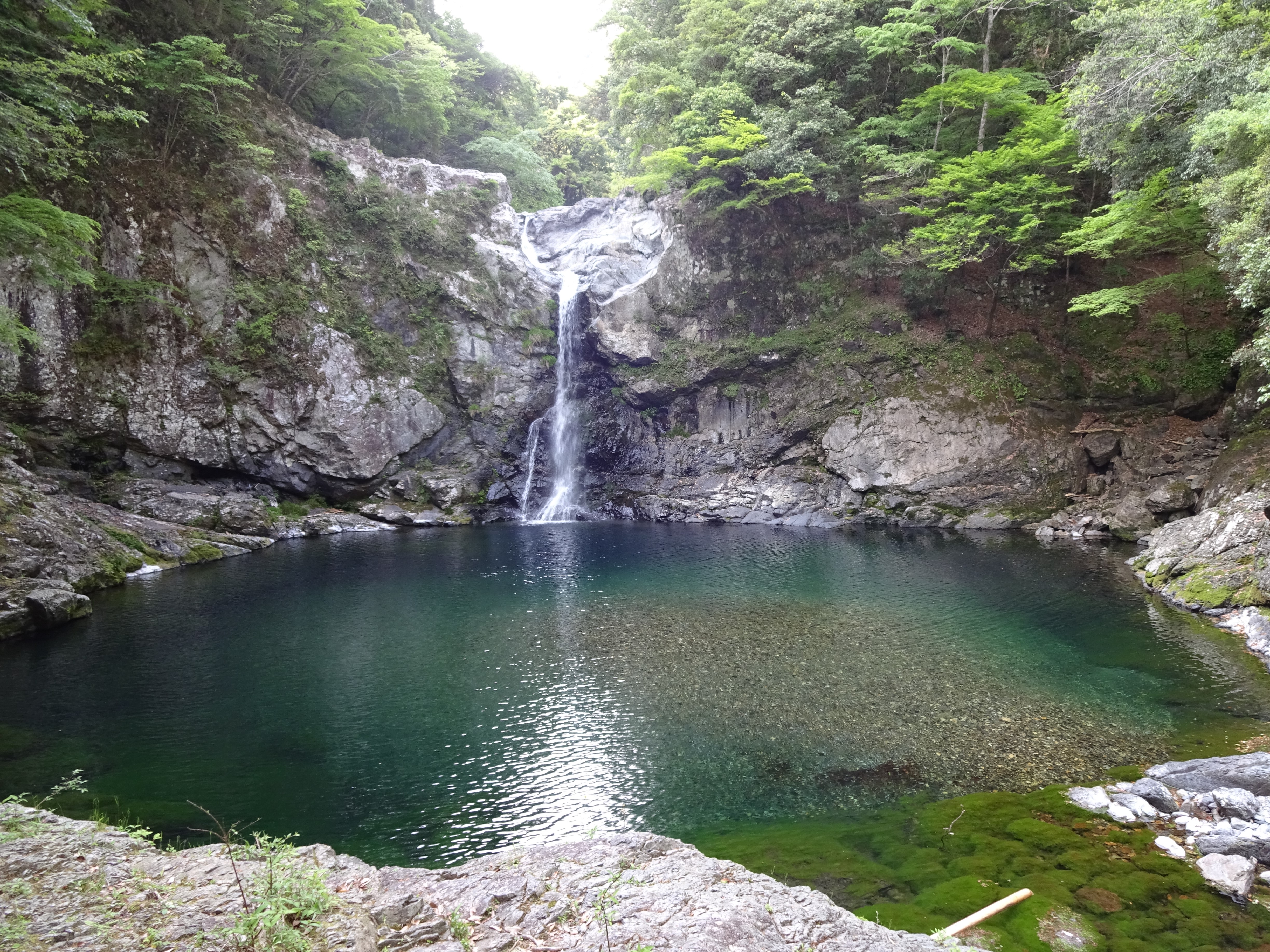
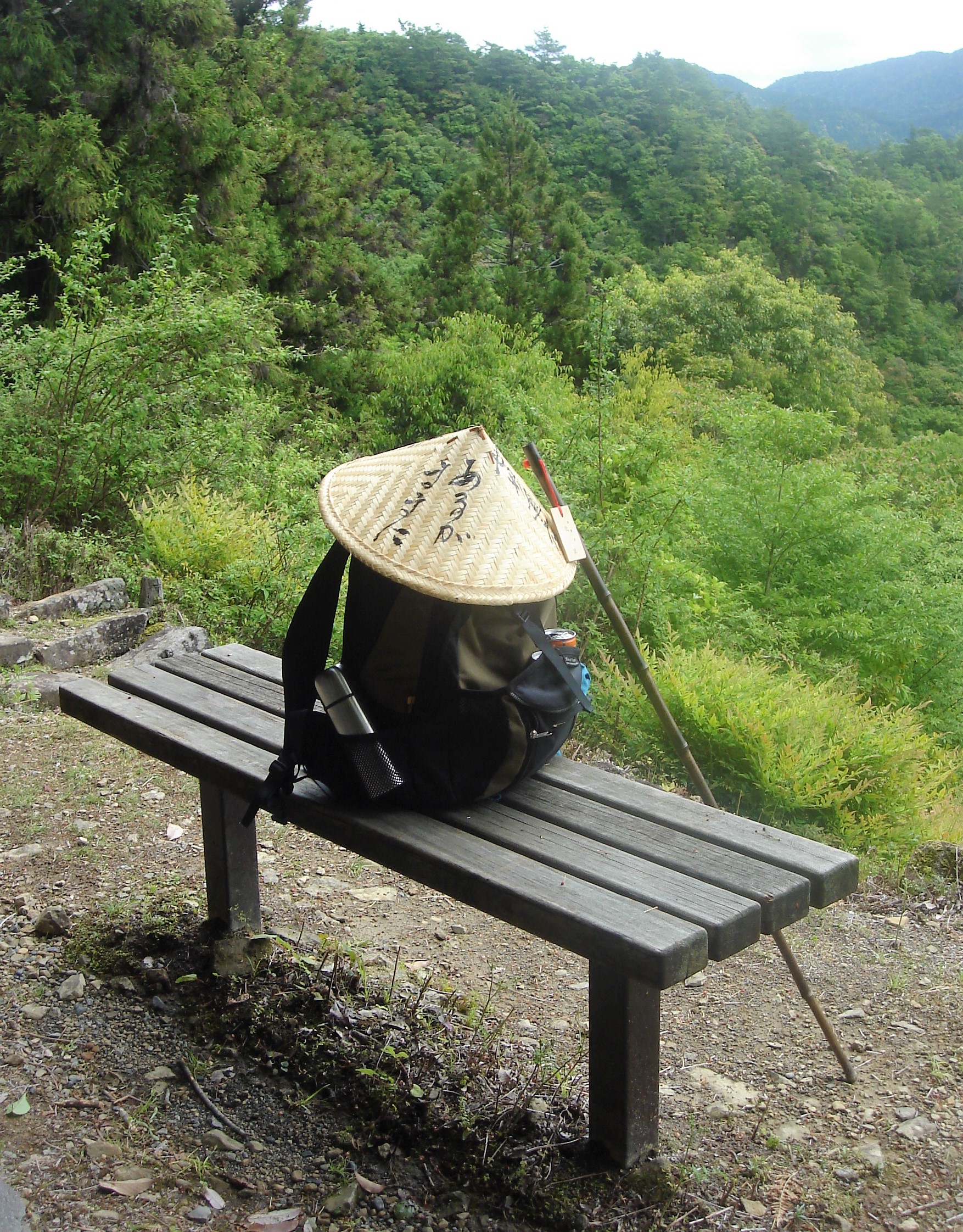
The Kii Peninsula is an ideal place in Japan for a slow retreat, for an introspective pilgrimage, for a vision quest, for restorative walks, for sensuous experiences, for meditation and yoga and for creative exploration, in short, for activities that engage body, mind and soul.
“J-Wellness” is found in abundance here: mineral-rich hot springs, monastery stays, vegetarian Shojin Ryori cuisine, Japanese herbal teas, Buddhist chanting and sutra copying, incense appreciation, waterfall purification, Shinto prayers, mindfulness in nature, meditation, the sounds of the Taiko drum and of the Hora conch shell.
If this resonates with you, then come and visit! I want to share my world with you and open doors for you to discover places of natural beauty, access rural communities and find guidance at places of worship and prayer.
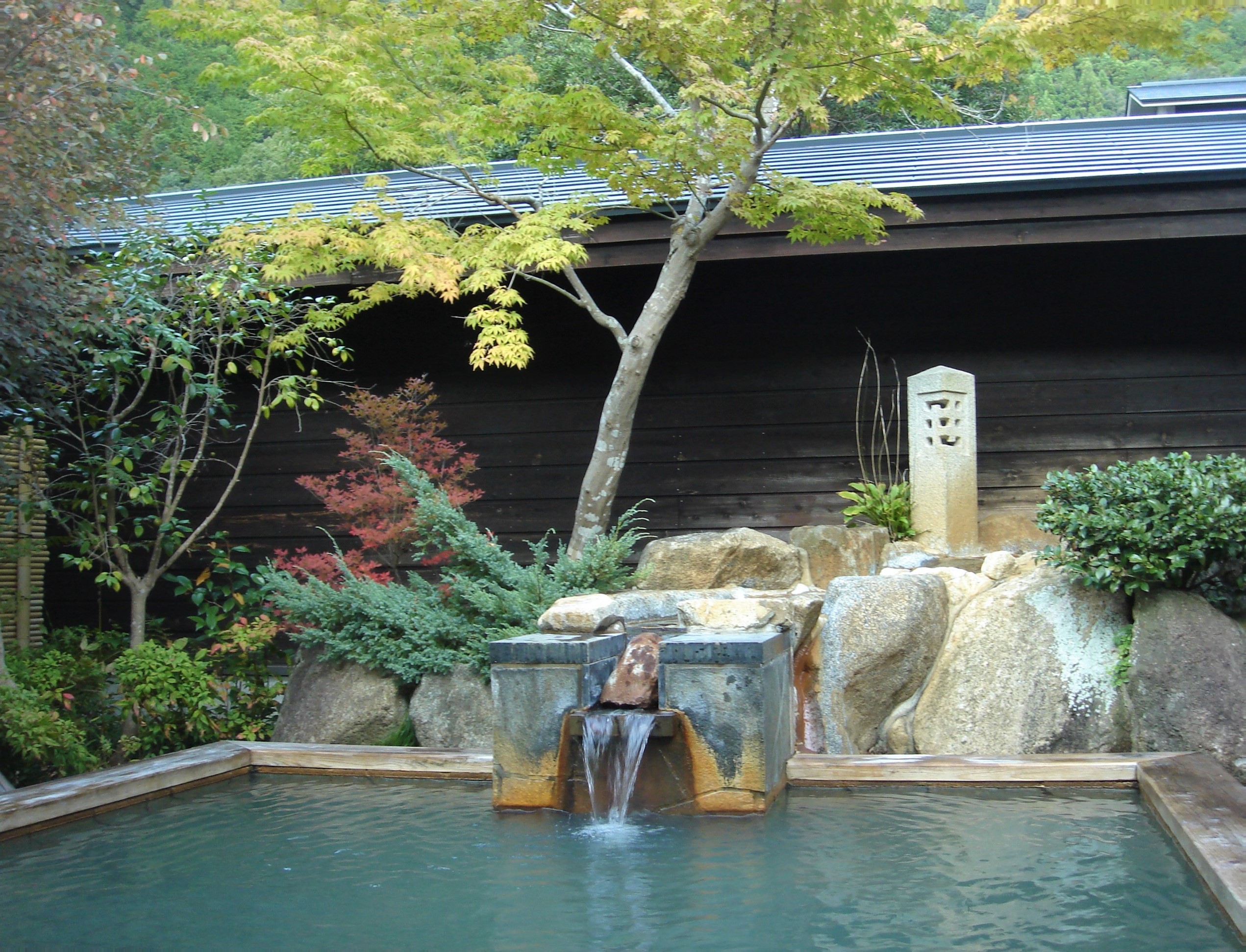
Go Slow. Stay Longer.
Kii Retreat is a project that aims to boost rural revitalization from within the region through encouraging slow travel and transformational experiences. The idea is to foster longer encounters and thereby more communication and deeper connection between locals and visitors from near and far.
I am based in the south of the peninsula where I live in a small village near Hongu Town. Over the years I have been witnessing the decline of the Satoyama (里山) communities and the abandonment of the traditional rural lifestyle. Young people leave the area to work and live in Japan’s big cities where there are jobs, opportunities and conveniences. They leave behind unoccupied houses, neglected rice fields, unmanaged forests and gradually forgotten traditions.
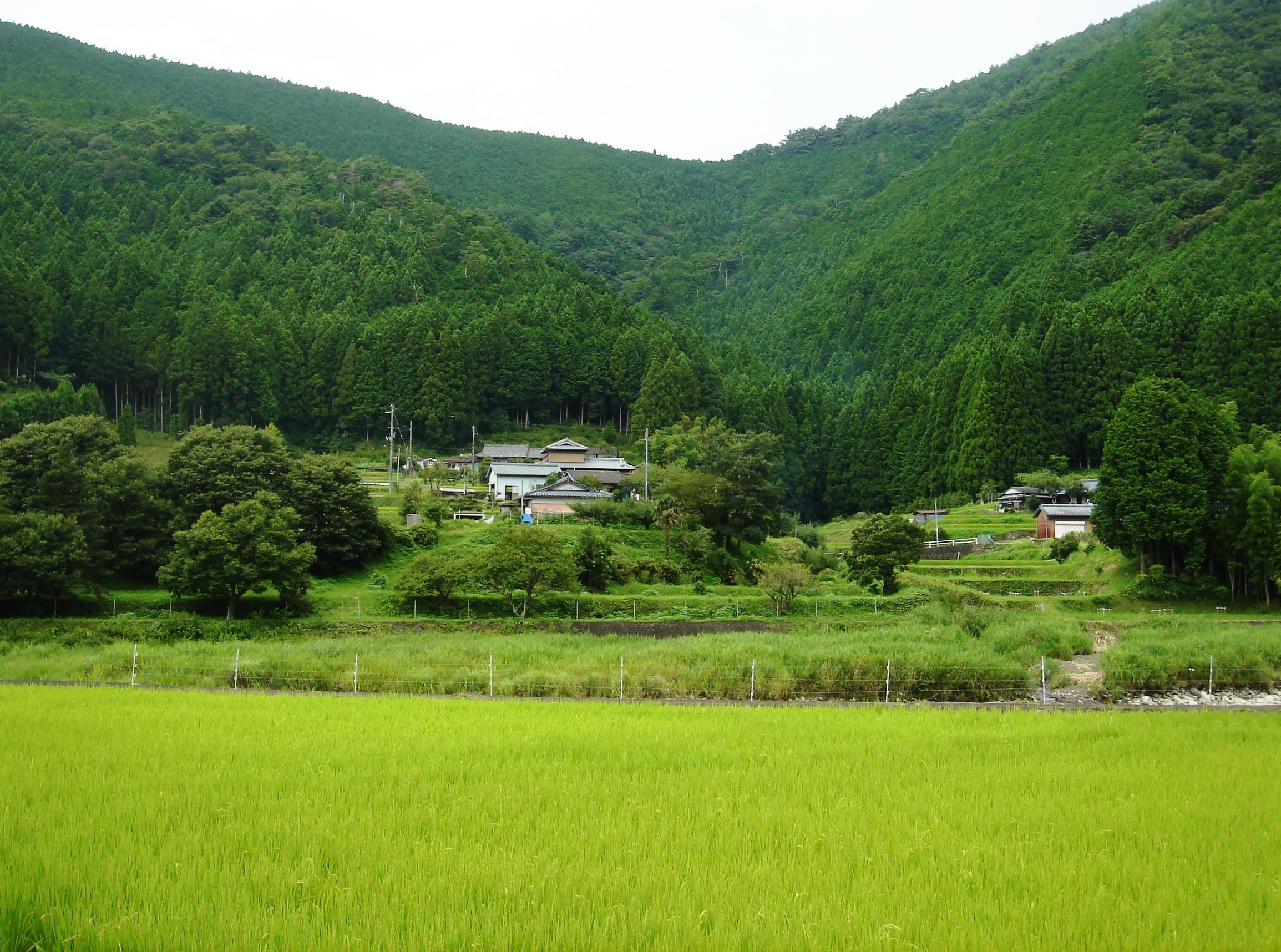
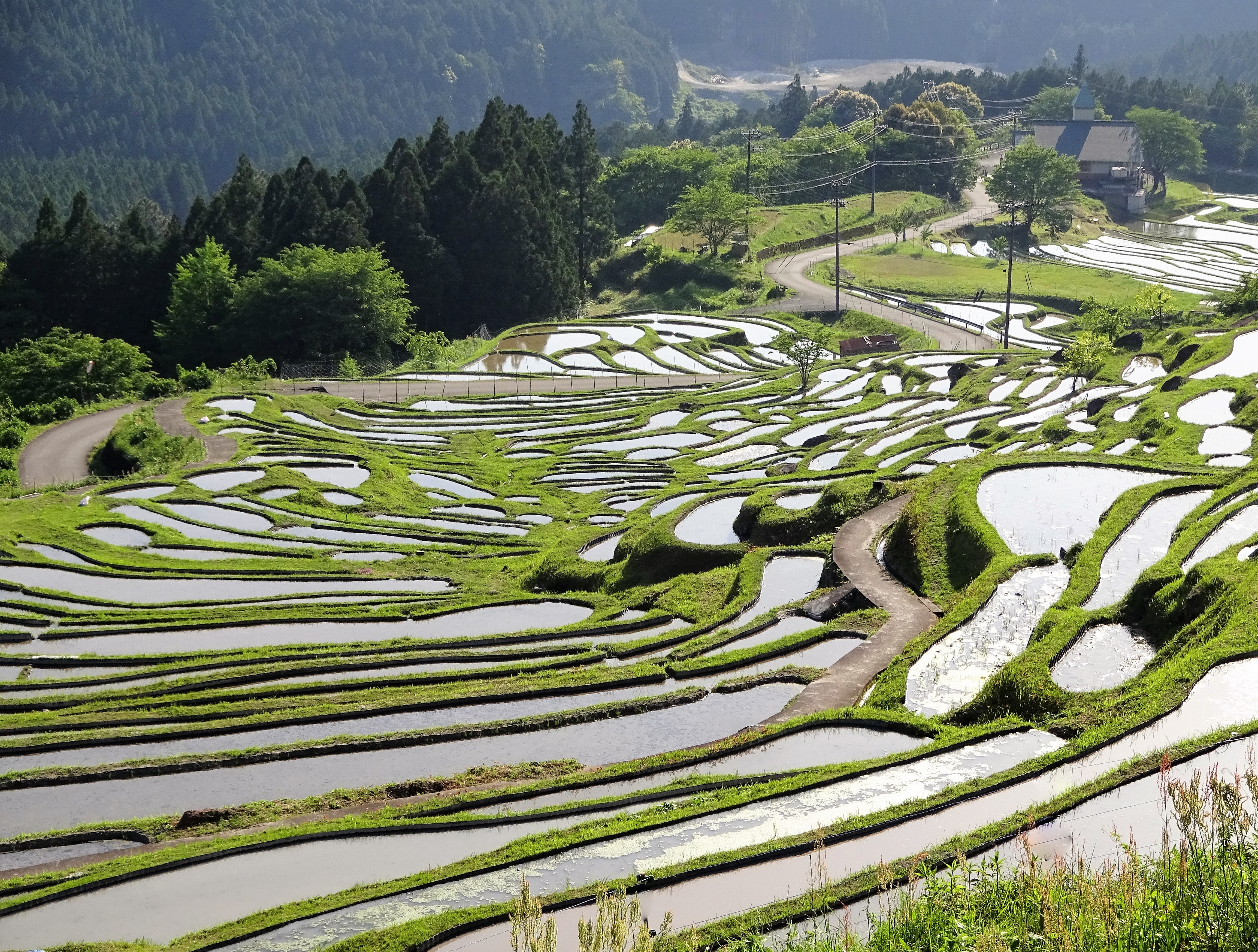
Sato (里) means village, and Yama (山) means mountain. Thus Satoyama are villages at the border of mountains and flat land that have developed over centuries. Villagers engage in small-scale farming, fishing and forestry. They work rice paddies, grow vegetables and fruit trees. They harvest wild vegetables, mushrooms and nuts from the forest, use wood from the forest for construction and fire wood, use grasslands to feed their farm animals, get river fish from the streams to supplement their diet, and maintain ponds and water reservoirs.
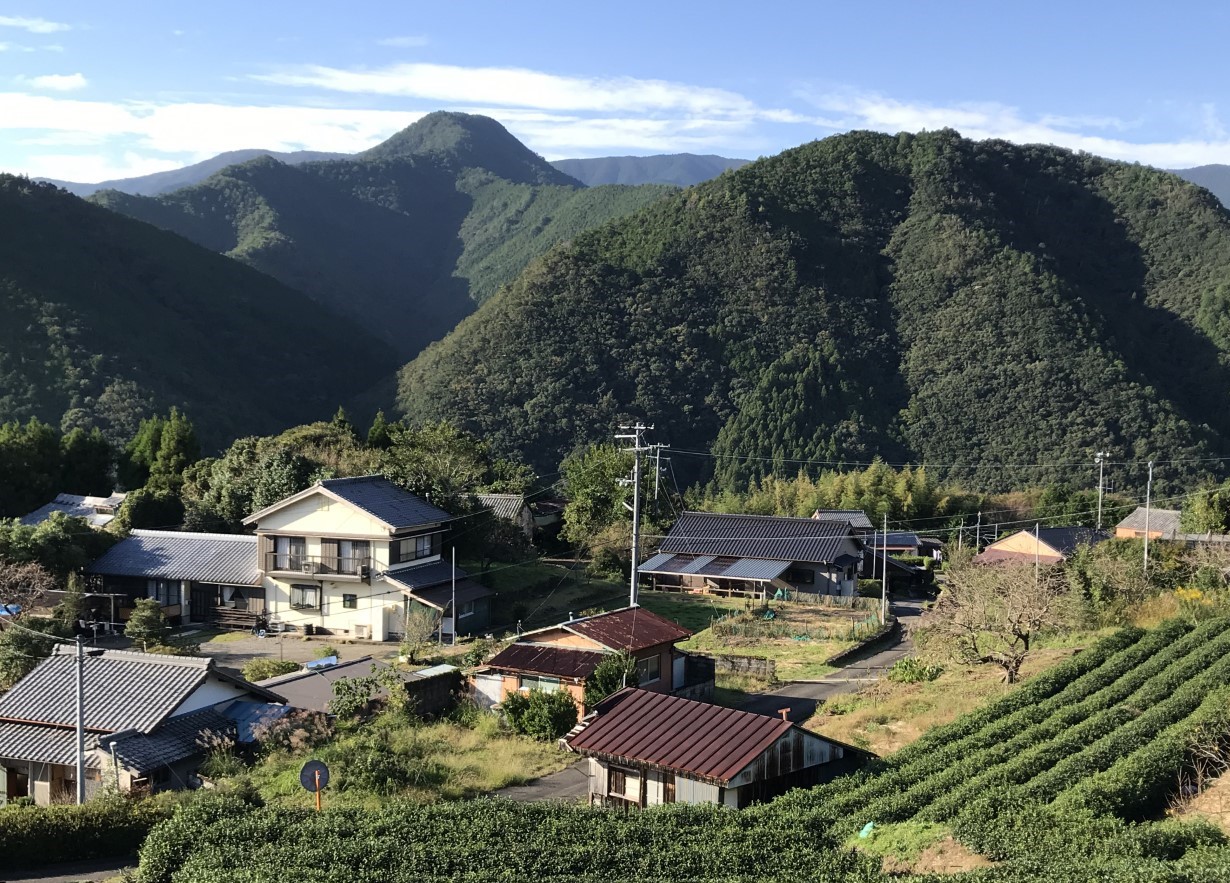
In recent years there have been more “new-comers” to the Kii Peninsula. Typically they are city dwellers who return to their home villages or nearby and others who relocate from a city to a rural area. I relocated from Tokyo to Kumano in 2011.
New people bring ideas and they create opportunities for rural communities. Often they establish a small business and provide accommodations, meals, transportation and experiences for visitors and, in return, create jobs and generate income for locals. This is rural revitalization in practice!
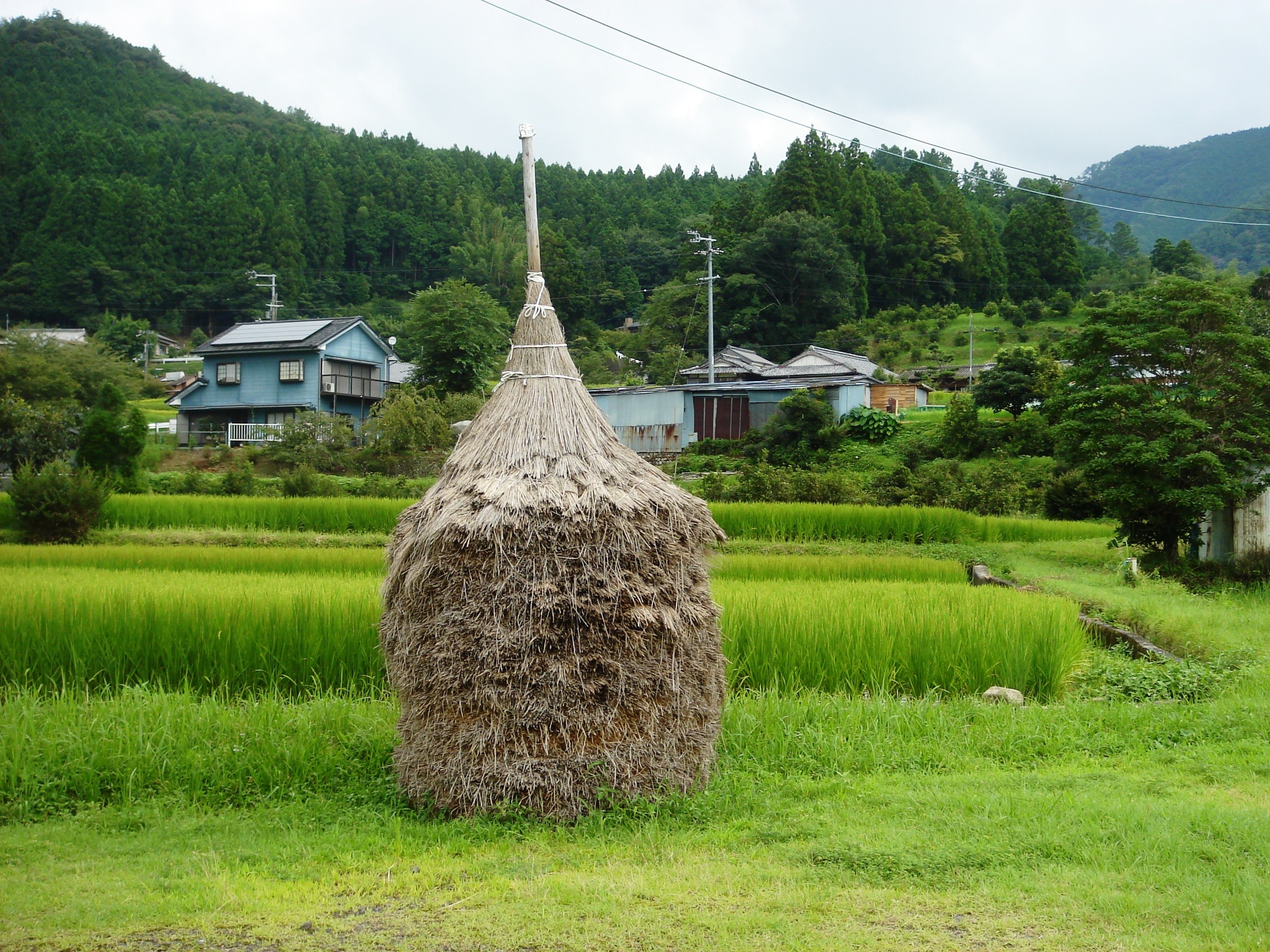
When inbound tourism started to pick up, I took my chances and every opportunity that I was presented with. I embraced travel to sustain my livelihood in this remote place and I leveraged my foreignness to promote the region and its wonderful heritage while supporting visitors to explore and enjoy the area.
Contributing to co-existence with the land and a preservation of the natural world and engaging in co-creation with local people and the spirit world, and by doing so live and travel in a sustainable way, naturally.
The Kii Peninsula region is large but it is made up of many rural communities and people, including myself, who still live in these Satoyama. How can we together revive the local wisdom of the past, preserve it now in the present, and make it universally available to future generations?
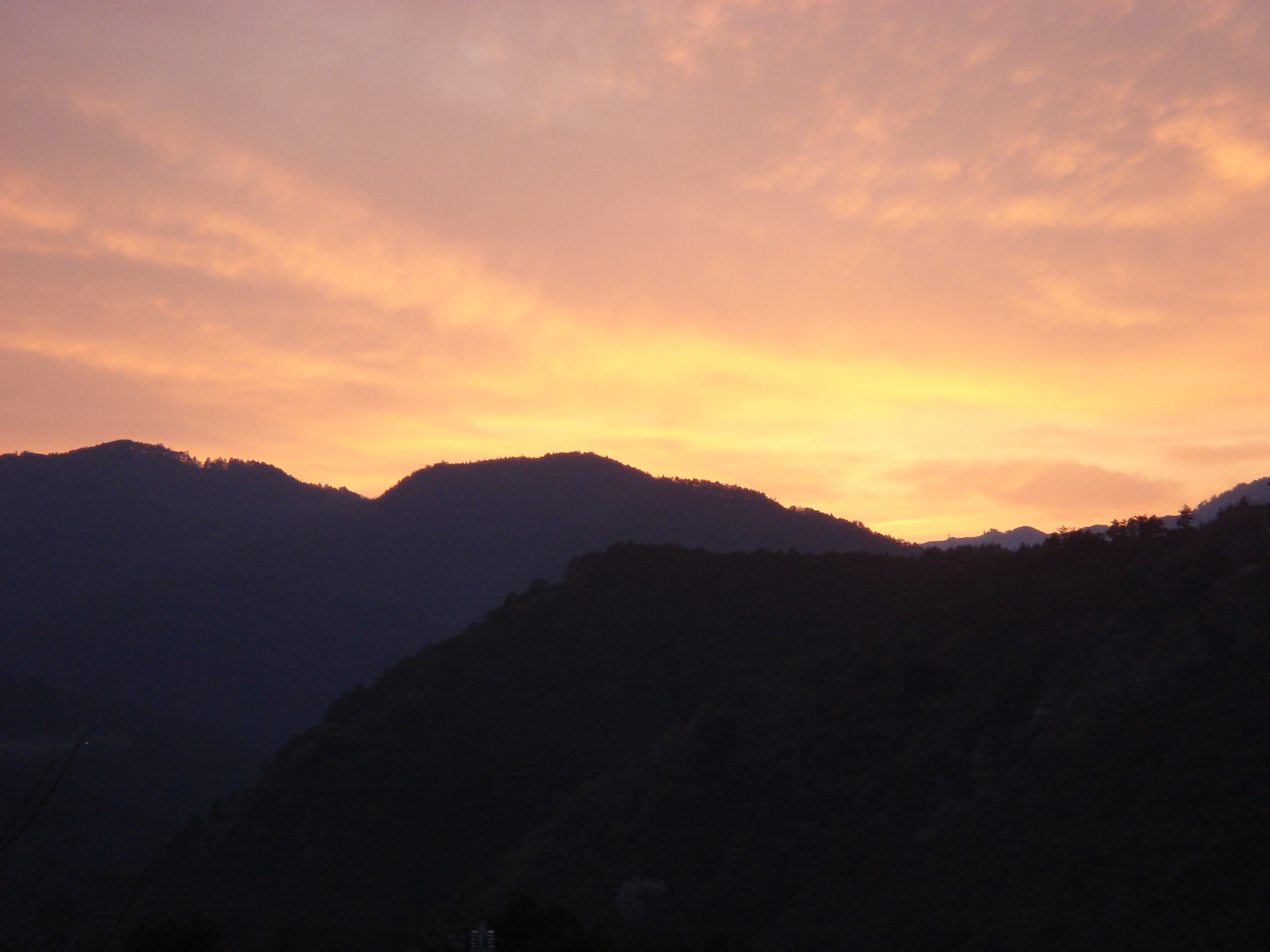
I am your Retreat Facilitator and I look forward to designing and hosting your retreat experience on the Kii Peninsula. All retreats are small-scale and tailor-made, in other words, private and personalized and they happen face-to-face (in-person) and face-to-place (in-place) aiming to be grounding and embodied.
I offer experiences that combine nature immersion with spiritual exploration: Forest Therapy and Shugendo, and I give you the opportunity to reflect upon your experiences. Thereby I hope to encourage a transformation by stimulating an inner journey of journaling or meditation to go along with the outer journey of walking, exploring and experiencing.
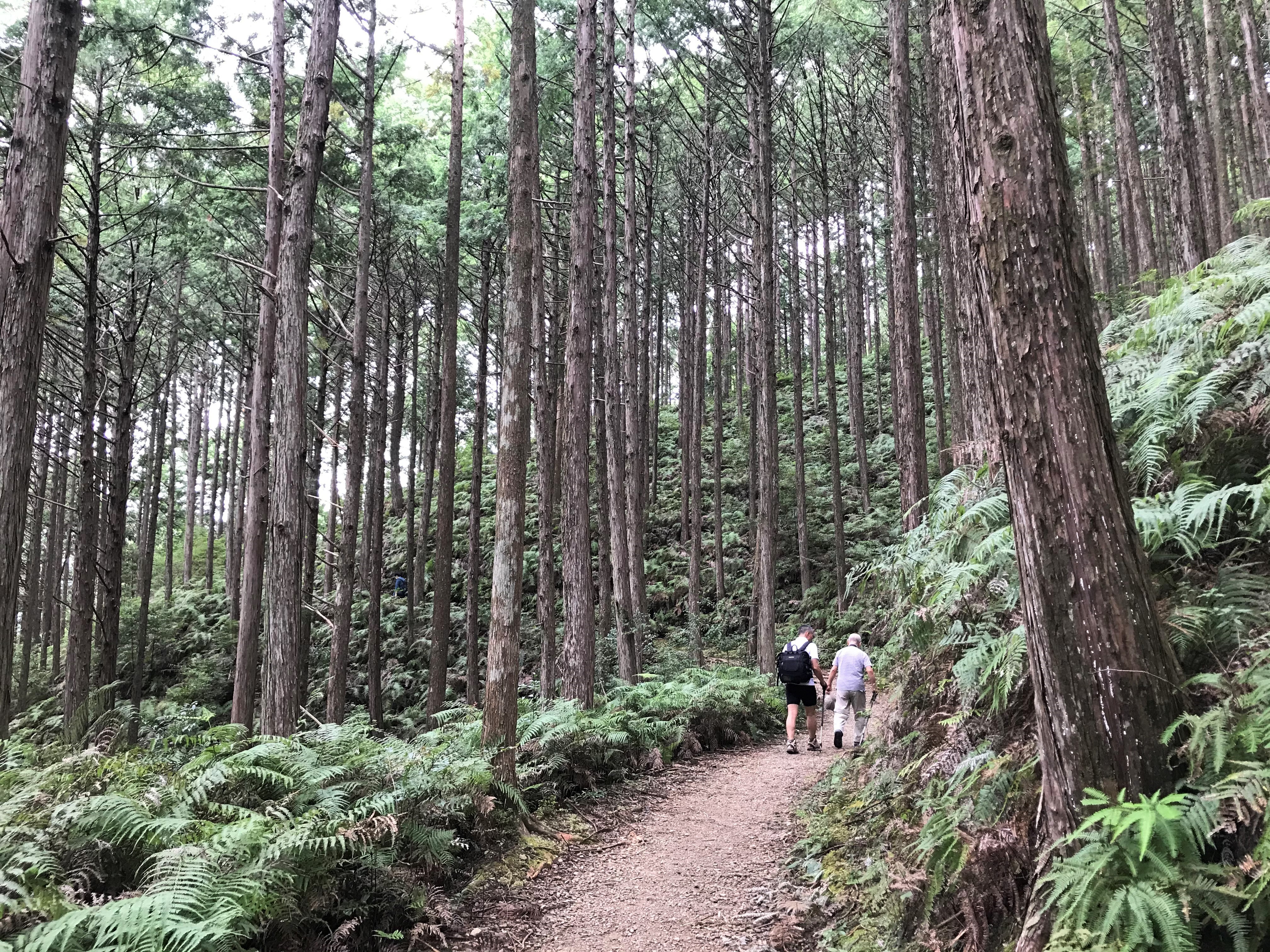
Forest Bathing
This is a health management practice that was born in Japan in the 1980s and has taken off internationally in recent years. It involves visiting forests or other natural environments, move at a very slow pace or not at all, and immerse oneself with all your senses in your natural surroundings.
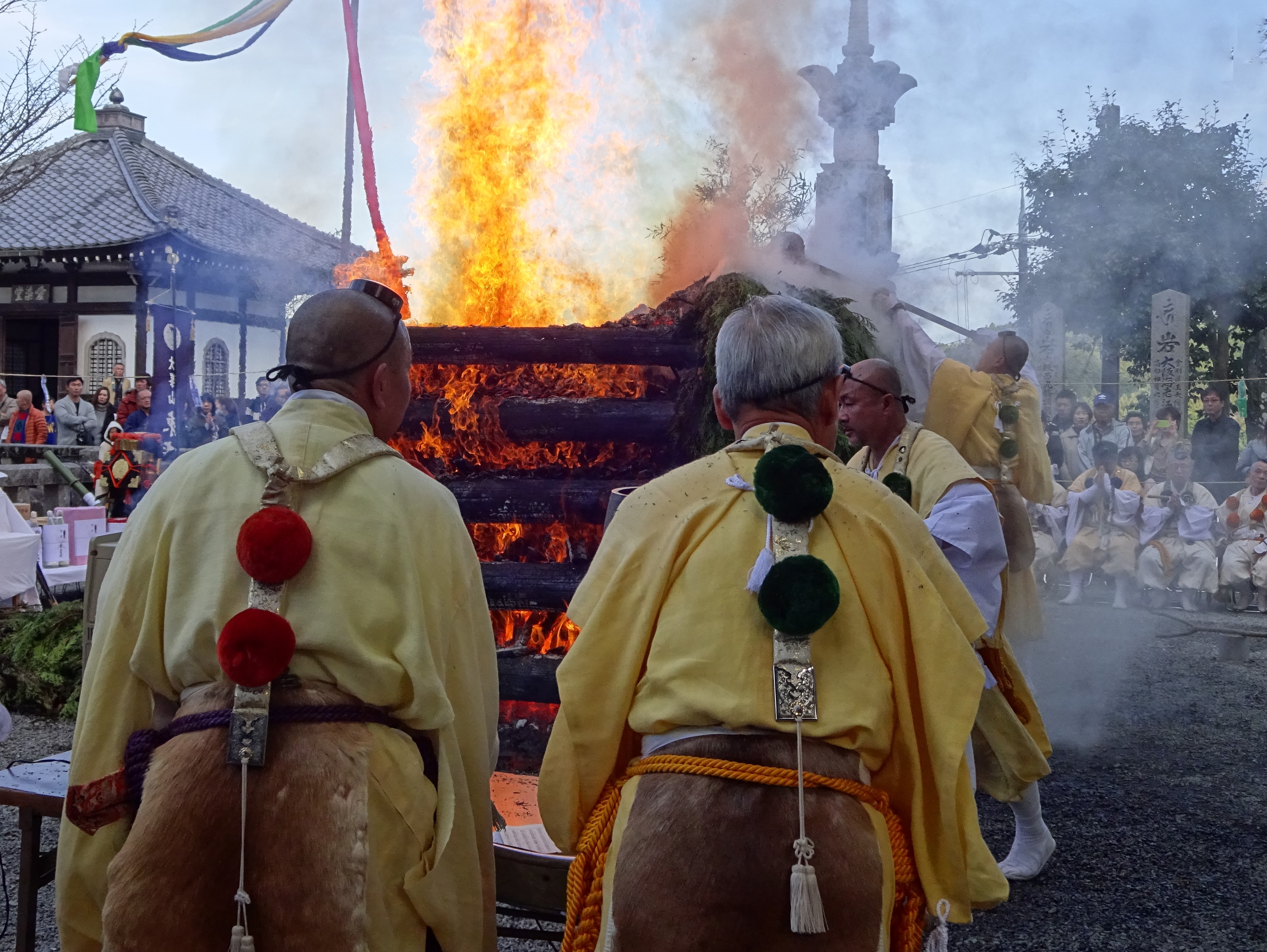
Shugendo
This is a spiritual tradition that has its roots in ancient Japan but it is still practised today. It is the “way” of training in the forests and mountains to connect with the spiritual realms.
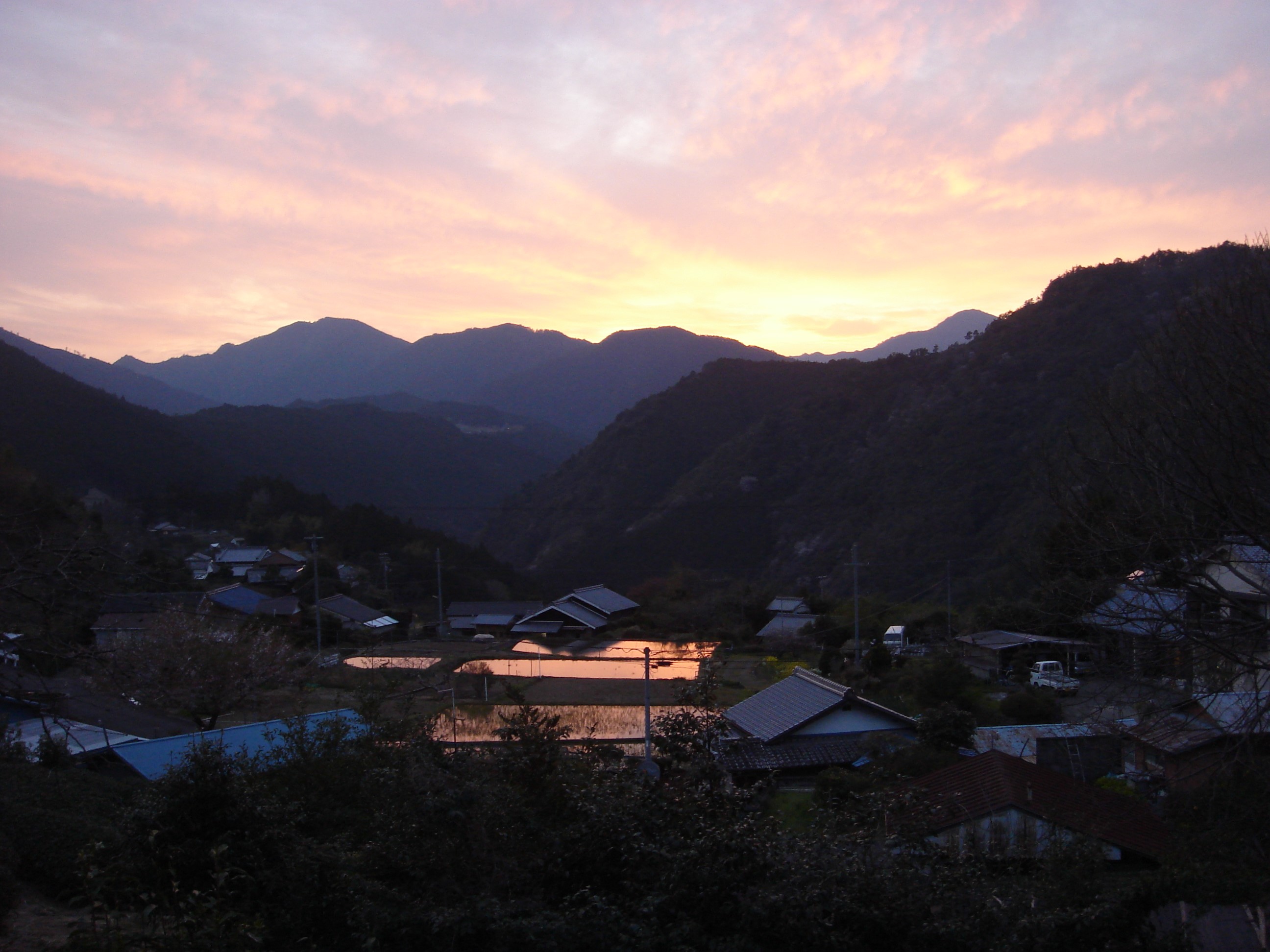
About the Kii Peninsula
The Kii Peninsula is with nearly 10,000 km² the largest peninsula of Honshu Island in Japan. It is located south of Osaka City, and is now occupied by the southern part of Osaka Prefecture, by Wakayama Prefecture, Nara Prefecture and the southern part of Mie Prefecture. In the east and the south of the Kii Peninsula lies the Pacific Ocean, and in the west the Kii Strait and the Seto Inland Sea.
The peninsula is composed of the Kii Range, which are actually several steep mountain ranges that run north-south with the highest elevation being Mount Hakken (1,695 m) and countless mountains at an elevation higher than 1,000 m. These mountains are forested. The natural forest is a mix of temperate forest and subtropical forest but there are also large areas of plantation forest with cedar and cypress trees.
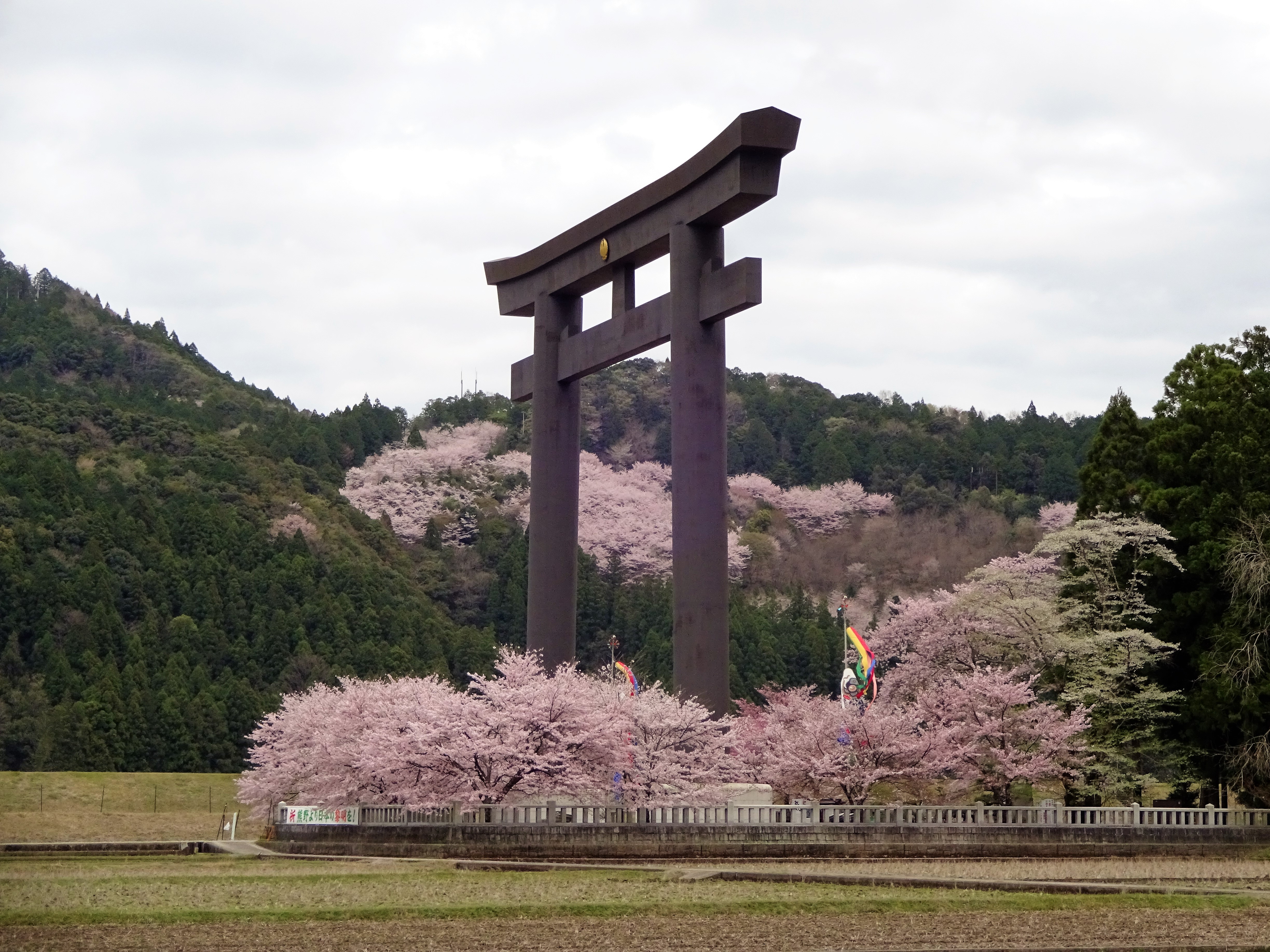
Three spiritual centers – Koyasan, Yoshinoyama and the Kumano Sanzan – and the pilgrimage trails that connect them were inscribed as a UNESCO Heritage Site in 2004. These sacred places were also connected to Nara and Kyoto, Japan’s former capitals, and to the Ise Jingu shrine.
Yatagarasu is a mystical bird in the shape of a crow with three legs that has been associated with the Kii Peninsula. The bird is said to have guided Jimmu Tenno, the legendary first Emperor of Japan across the steep mountains and deep valleys of peninsula. Let “Yata” guide you on our journeys too!




Getting in Touch


 Kii Retreats